A dental emergency rarely happens at a convenient time. A sudden toothache, broken tooth, or dental injury can disrupt your day and leave you wondering whether you need immediate attention or can wait for your next appointment.
Knowing when to seek emergency dental care can make a difference in protecting your teeth, relieving discomfort, and preventing a small problem from becoming a bigger one.
At Tecumseh Ridge Dental, led by Dr. Andrew Wheatley, DDS, in Norman, Oklahoma, we understand that dental emergencies can be stressful. Our team provides same-day emergency dental appointments to help patients get the care they need. Whether you’re an established patient or looking for an emergency dentist in Norman for the first time, we’re here to help.
Here are seven dental problems you shouldn’t ignore.
1. A Persistent or Severe Toothache
Not every toothache is an emergency, but persistent or severe dental pain should never be ignored.
A toothache can have several causes, including:
- Tooth decay or a deep cavity
- An infection inside the tooth
- A cracked or damaged tooth
- Gum disease
- An abscess
Pain that keeps you awake, makes it difficult to chew, or doesn’t improve deserves prompt attention. Even if the discomfort temporarily disappears, the underlying problem may still be present.
A dental examination can help identify the cause and determine whether treatment such as a filling, crown, or root canal is needed.
What should you do? Call your dentist and describe your symptoms. Don’t wait for the pain to become unbearable before seeking care.
2. A Broken, Cracked, or Chipped Tooth
A broken tooth can happen while eating, playing sports, or simply biting down on something hard.
Even a small chip can expose sensitive areas of the tooth or create an opening for bacteria. A more significant fracture may damage the inner portion of the tooth.
Depending on the extent of the damage, treatment may include:
- Tooth-colored dental bonding
- A dental filling
- A dental crown
- Root canal treatment
- Other restorative procedures
If you break a tooth, save any pieces you can find and bring them to your appointment. Avoid chewing on the affected side until your dentist has evaluated the damage.
Why prompt treatment matters: Some cracks can worsen over time, potentially making a tooth more difficult to restore.
3. A Knocked-Out Tooth
A knocked-out permanent tooth is one of the most time-sensitive dental emergencies.
Sports injuries, falls, and accidents can cause a tooth to become completely dislodged. Acting quickly may improve the chances of saving it.
If a permanent tooth is knocked out:
- Find the tooth and pick it up by the crown (the white portion), not the root.
- If it’s dirty, gently rinse it with water. Do not scrub it.
- If possible, carefully place it back into its socket.
- If you cannot reinsert it, keep it moist in milk or an appropriate tooth-preservation solution.
- Seek immediate dental care. Ideally, a knocked-out permanent tooth should be evaluated within 30 minutes.
Do not attempt to reinsert a knocked-out baby tooth.
Remember: Time matters. Call a dentist immediately rather than waiting to see whether the tooth becomes painful.
4. Swelling, Gum Infections, or a Dental Abscess
Swelling around a tooth or along the gums can indicate an infection that needs prompt professional attention.
A dental abscess is a pocket of infection that can develop around the root of a tooth or in the surrounding gum tissue.
Symptoms may include:
- Swelling in the gums, jaw, or face
- Persistent or throbbing tooth pain
- Pain when biting or chewing
- Sensitivity to hot or cold
- A bad taste in your mouth
- Pus or drainage near a tooth
- Fever or feeling generally unwell
A dental infection will not necessarily resolve on its own, even if the pain temporarily subsides.
What should you do? Contact your dentist promptly if you suspect an infection. If facial or neck swelling makes breathing or swallowing difficult, seek emergency medical care immediately.
5. A Lost Filling or Dental Crown
A filling or crown protects a tooth and helps restore its normal function. When one becomes loose or falls out, the exposed tooth may become sensitive or vulnerable to further damage.
You may notice:
- Sensitivity when eating or drinking
- Pain when biting down
- A rough or sharp area on the tooth
- Food getting trapped where the restoration used to be
Even if you aren’t experiencing pain, it’s a good idea to have the tooth evaluated. Your dentist can determine whether the restoration can be replaced or whether additional treatment is needed.
Avoid chewing on that side of your mouth until you’ve received professional guidance.
6. A Loose Tooth or Dental Injury
An adult tooth that suddenly becomes loose is not normal and should be evaluated as soon as possible.
A loose tooth can result from an accident, sports injury, advanced gum disease, or damage to the structures supporting the tooth.
If the looseness follows an injury, prompt treatment is particularly important. Other teeth and surrounding structures may also have been damaged, even if you don’t notice additional symptoms.
Avoid wiggling the tooth or putting unnecessary pressure on it. Contact your dentist for an evaluation.
7. Severe Pain Around a Wisdom Tooth
Wisdom teeth can cause discomfort as they emerge, particularly when there isn’t enough room for them to come in properly.
Sometimes, a wisdom tooth becomes impacted, meaning it is trapped beneath the gum or does not fully emerge.
Warning signs include:
- Pain in the back of the jaw
- Swollen or tender gums
- Difficulty opening your mouth
- Pain when chewing
- Swelling or signs of infection
An examination and dental imaging can help determine whether the wisdom tooth needs monitoring, treatment, or removal.
Don’t assume that discomfort around your wisdom teeth is something you simply have to tolerate.
When Should You Go to the Emergency Room Instead of the Dentist?
Most dental problems should be evaluated by a dentist. However, certain symptoms require immediate medical attention.
Go to the emergency room or call 911 if you experience:
- Difficulty breathing or swallowing
- Severe facial or neck swelling that affects your airway
- Uncontrolled bleeding
- Significant facial trauma or a suspected serious jaw injury
When in doubt, prioritize your safety and seek emergency medical care.
Where Can You Find Same-Day Emergency Dental Care in Norman, Oklahoma?
If you’re experiencing a toothache, broken tooth, dental injury, or another urgent dental problem, you don’t have to wait until your next routine cleaning to get help.
Andrew Wheatley, DDS at Tecumseh Ridge Dental provides emergency dental care in Norman, Oklahoma, with same-day appointments available.
Conveniently located in West Norman, just across the street from Norman Regional HealthPlex on West Tecumseh Road, our office is easily accessible for patients throughout Norman and nearby communities, including Moore, Newcastle, and Oklahoma City.
Dr. Wheatley and his team provide a range of in-office treatments, including:
- Emergency examinations and treatment
- Root canals
- Tooth extractions
- Dental fillings
- Crowns and restorative dentistry
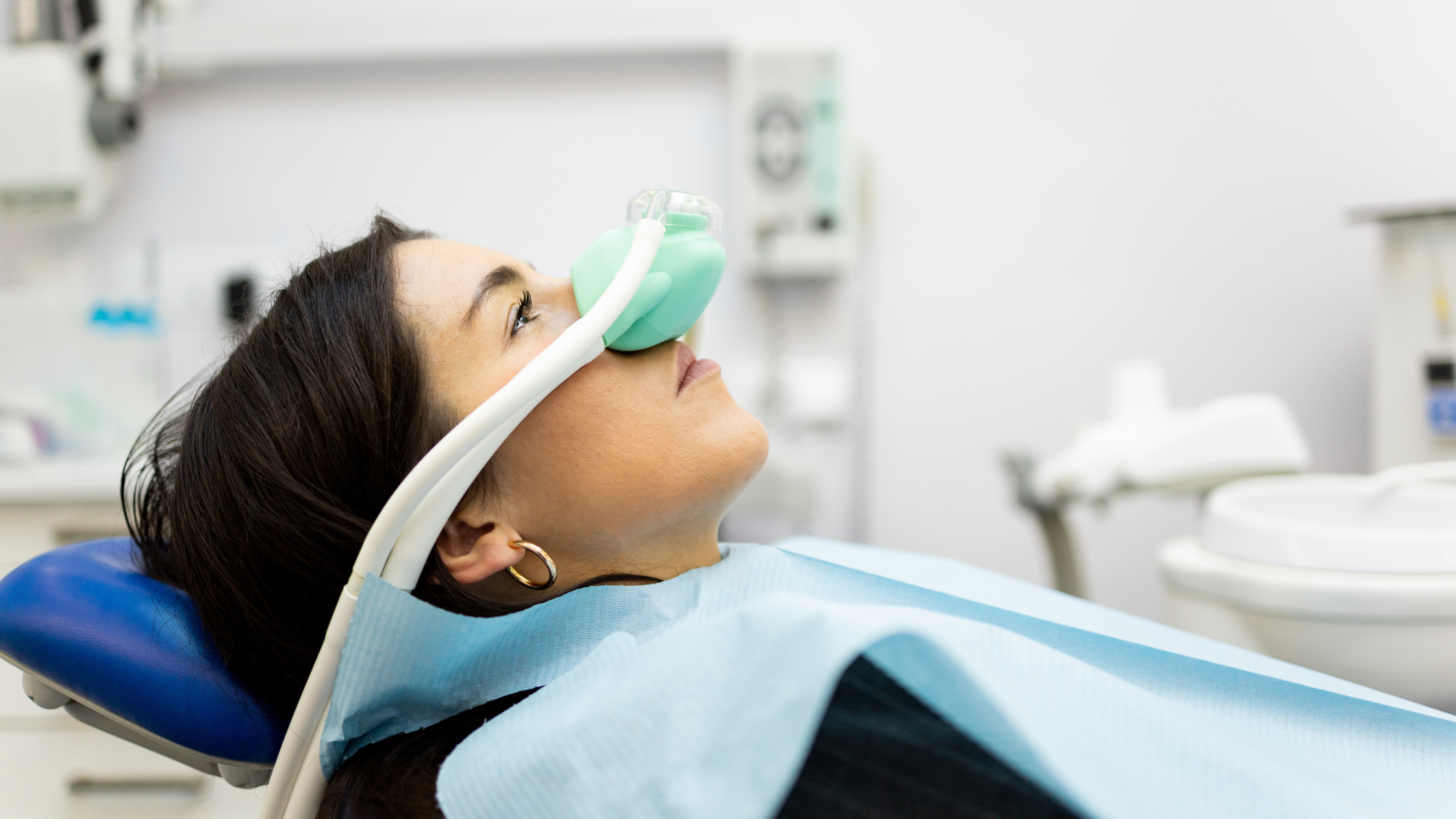
We also understand that dental emergencies can be especially stressful for patients who experience dental anxiety. Our patient-centered approach focuses on helping you feel comfortable, informed, and confident about your treatment.
Need an emergency dentist in Norman?
Call Tecumseh Ridge Dental at (405) 857-6453 to discuss your symptoms and schedule an appointment.
We are located at:
Tecumseh Ridge Dental – Andrew Wheatley, DDS
3201 W. Tecumseh Road, Suite 130
Norman, OK 73072
Monday–Thursday: 8 a.m.–5 p.m.
Friday and Saturday: By appointment.
Call ahead to ask about Friday and Saturday emergency availability.
Frequently Asked Questions About Emergency Dental Care
Can I get a same-day emergency dental appointment in Norman, OK?
Yes. Tecumseh Ridge Dental offers same-day emergency dental appointments, subject to availability. Call (405) 857-6453 to discuss your symptoms and arrange an appointment.
Should I go to the dentist for a toothache?
Yes, particularly if the pain is persistent, severe, or accompanied by swelling or sensitivity. A toothache can indicate decay, a cracked tooth, or an infection. A dental examination can identify the cause and determine the appropriate treatment.
What should I do if I break or crack a tooth?
Save any pieces you can find, avoid chewing on the affected side, and contact your dentist promptly. Depending on the severity of the damage, treatment may involve bonding, a filling, a crown, or root canal therapy.
Can a dentist treat a dental abscess?
A dentist can evaluate and treat many dental abscesses. Treatment depends on the source and severity of the infection and may involve drainage, root canal treatment, or extraction. A dental abscess should never be ignored.
Does Tecumseh Ridge Dental accept new emergency patients?
Yes. Dr. Andrew Wheatley welcomes patients seeking emergency dental care, including those who are not established patients of the practice. Call ahead to discuss availability and your dental needs.
Where is Tecumseh Ridge Dental located?
Tecumseh Ridge Dental is located at 3201 W. Tecumseh Road, Suite 130, in Norman, Oklahoma, across from Norman Regional HealthPlex in West Norman.
Don’t let a dental emergency become a bigger problem. If you’re experiencing dental pain or have damaged a tooth, contact Tecumseh Ridge Dental at (405) 857-6453. We’re here to help you smile with confidence.